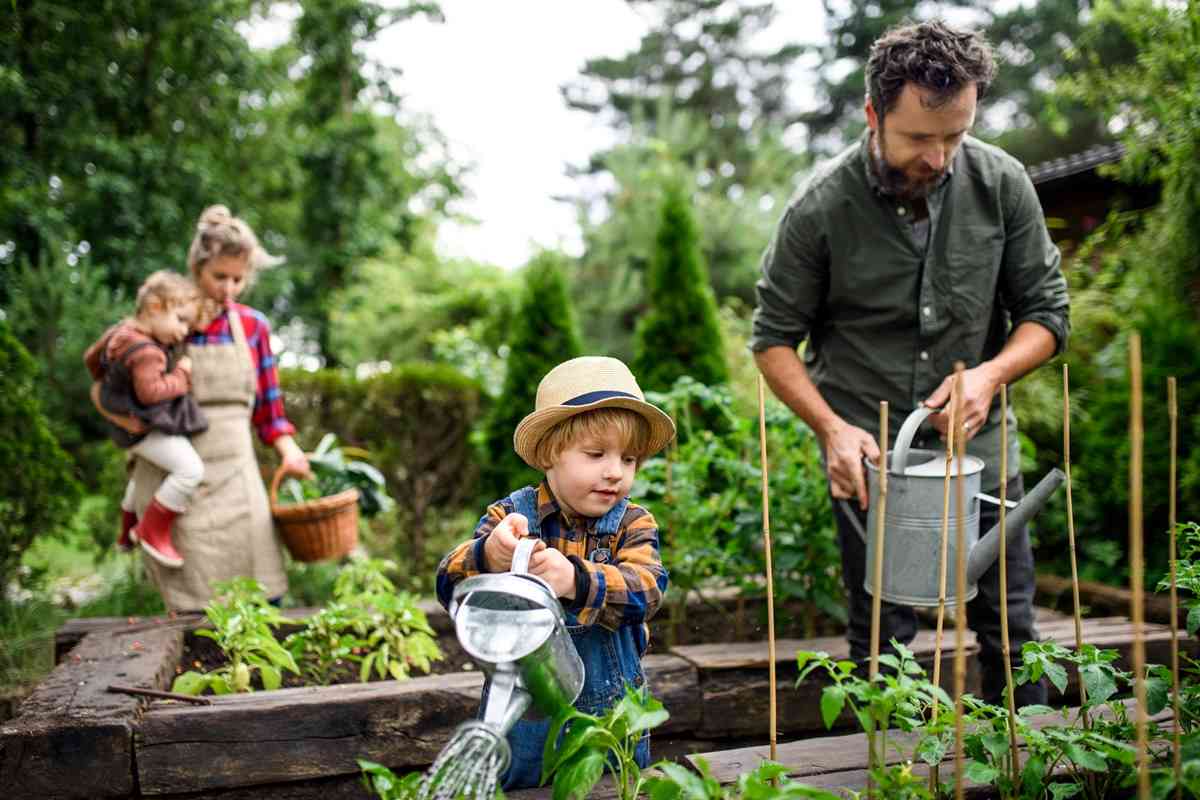
If you’re reading this, you’re probably dreaming about growing your own food but think it’s impossible because you live in a city apartment with barely enough room for your yoga mat. Well, guess what? You can totally do it! Urban gardening is not just a trend; it’s a revolutionary way to turn your tiny living space into a green oasis. Ready to get your hands dirty (in a good way)? Let’s dive in.
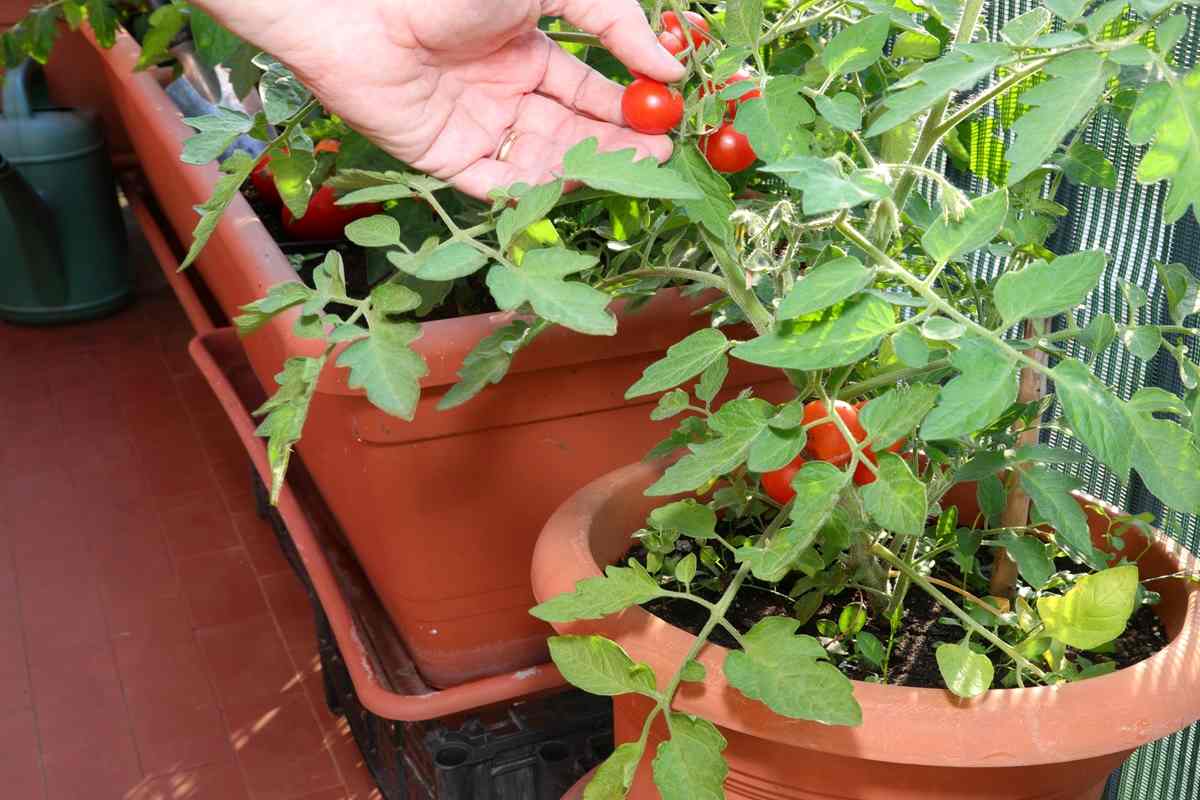
Start Small and Dream Big
First things first, don’t overwhelm yourself. Start with one or two easy-to-grow plants. Herbs like basil, mint, and parsley are perfect for beginners. They don’t require much space, and the satisfaction of snipping fresh herbs for your dinner is unparalleled. Plus, they smell amazing.

Find the Right Spot
Your plants need sunlight, and lots of it! Most vegetables and herbs need at least 6-8 hours of sunlight a day. Look for a sunny spot in your apartment—this could be a windowsill, balcony, or even a fire escape (safety first, though). If natural light is limited, don’t fret! Grow lights are a fantastic solution and can turn even the darkest corner into a plant paradise.
Choose the Right Containers
Containers come in all shapes and sizes. You don’t need fancy pots; you can repurpose old buckets, crates, or even plastic bottles. The key is ensuring good drainage. Punch a few holes at the bottom of your containers to prevent waterlogging. Also, consider the depth of the container—most herbs and veggies need at least 6-12 inches of soil to spread their roots comfortably.
Soil Matters
Invest in good quality potting soil. Unlike garden soil, potting soil is lighter and drains well, which is crucial for container gardening. You can find organic potting mixes at your local garden center. To give your plants a nutrient boost, mix in some compost or worm castings. Trust me, your plants will thank you.

Water Wisely
Overwatering is one of the most common mistakes in urban gardening. Most plants prefer their soil to dry out a bit between waterings. Stick your finger in the soil up to your second knuckle—if it feels dry, it’s time to water. Also, consider self-watering containers if you travel frequently or tend to forget about your plants (no judgment here).
Get Creative with Vertical Gardening
When horizontal space is limited, think vertical! Vertical gardening is a game-changer for small spaces. You can use wall-mounted planters, hanging baskets, or even DIY a vertical garden using a wooden pallet. This not only maximizes space but also adds a lush, green vibe to your home decor.
Companion Planting
Some plants grow better together, while others prefer to be left alone. Companion planting can help you make the most of your space and even deter pests. For example, basil and tomatoes are best friends—they enhance each other’s growth and flavor. On the flip side, keep your fennel away from most other plants, as it can inhibit growth.
Grow What You Love to Eat
This might sound obvious, but grow what you love! There’s no point in growing a bunch of radishes if you can’t stand them. Think about what you frequently buy at the grocery store and start there. Leafy greens like lettuce and spinach, cherry tomatoes, and peppers are great for urban gardens and can be used in a variety of dishes.

Pest Control the Natural Way
Insects can be a pain, but there’s no need to reach for harsh chemicals. There are plenty of natural ways to keep pests at bay. For instance, neem oil and insecticidal soap are effective against many common pests. Additionally, introducing beneficial insects like ladybugs can help keep the bad bugs in check. Remember, a healthy plant is less likely to attract pests, so keep your plants well-watered and fed.
Regular Maintenance
Just like any other hobby, urban gardening requires some regular maintenance. This includes pruning, checking for pests, and ensuring your plants have enough water and nutrients. But don’t worry, it’s not a huge time commitment. A few minutes a day can make a big difference. Plus, tending to your plants can be incredibly therapeutic.
Expand as You Grow
Once you’ve got the hang of it, don’t be afraid to expand. Try your hand at more challenging plants or add more containers to your collection. Maybe you’ll even get brave enough to start a small indoor fruit tree, like a lemon or fig tree. The sky’s the limit.

Connect with Fellow Urban Gardeners
Gardening can sometimes feel solitary, but there’s a whole community out there! Join online forums, social media groups, or local gardening clubs to share tips, swap plants, and get advice. You’d be surprised how much you can learn from others who are also growing food in small spaces.
Savor the Fruits of Your Labor
Finally, enjoy the process and the rewards. There’s something incredibly fulfilling about eating food you’ve grown yourself. Whether it’s a sprig of mint in your tea or a salad made from your balcony garden, the taste of homegrown produce is unbeatable.
Urban gardening might seem daunting at first, but it’s all about taking that first step. With a bit of creativity, patience, and love, you’ll be amazed at what you can grow in the smallest of spaces. What are you waiting for? Grab some seeds, roll up your sleeves, and let’s get growing. Happy gardening.
Pin for Later

Need Support or have Questions? Join our Free Facebook Group.
Follow us on Pinterest, Facebook, Instagram, TikTok, Flipboard, or YouTube.
For weekly New Articles and a FREE E-Book get into our NEWSLETTER.