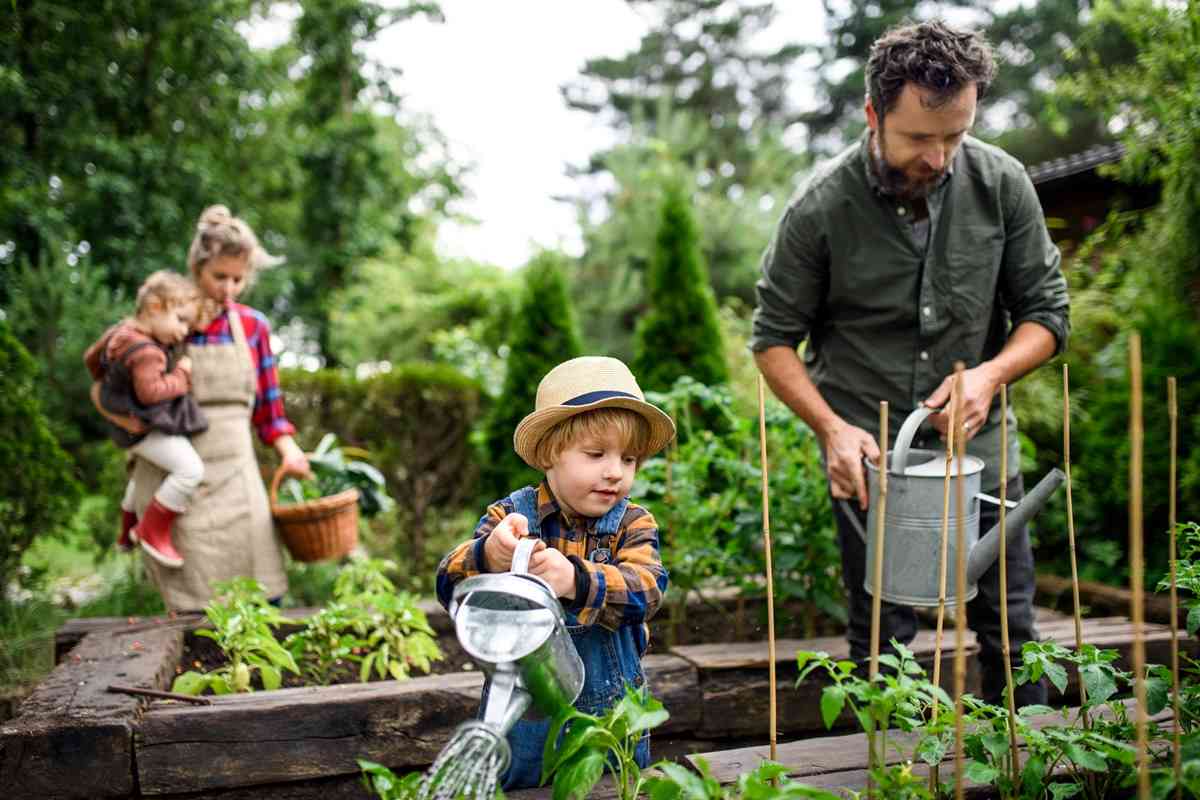
We all want to leave a better planet for our little ones, right? Well, the good news is that embracing low-waste parenting isn’t as daunting as it sounds. In fact, it can be quite fun and rewarding for the whole family. Here are some practical tips and tricks to help you reduce waste, save money, and teach your kids the importance of sustainability.

From diapering decisions to eco-friendly toys and waste-free snack time, this guide is packed with actionable ideas to make your parenting journey more sustainable. You’ll discover simple swaps, creative solutions, and ways to involve your children in building a greener future. Let’s get started on making small changes that can lead to a big impact.

1. Diaper Dilemma: Reusable vs. Disposable
One of the first big decisions you’ll make as a parent is about diapers. Disposable diapers are super convenient, but they’re also a major contributor to landfill waste. If you’re up for it, cloth diapers are a fantastic alternative. They’ve come a long way from the old-fashioned cloths our grandparents used. Modern cloth diapers are easy to use, adorable, and much gentler on the environment.
If the idea of going full-time cloth diapering seems overwhelming, consider a hybrid approach. Use cloth diapers at home and disposables when you’re out and about. Every little bit helps.
2. Breastfeeding and Bottle Feeding
Breastfeeding is the ultimate zero-waste option, but it’s not always possible for every mom. If you’re bottle-feeding, opt for glass or stainless steel bottles. They’re durable, easy to clean, and free from harmful chemicals found in some plastics.
For formula, look for brands that offer eco-friendly packaging. Some companies are now using recyclable or biodegradable containers. It’s a small change that can make a big difference.
3. DIY Baby Food
Making your own baby food is not only healthier for your little one but also cuts down on waste. Those tiny jars and pouches add up! Invest in a good blender or food processor and get creative with fruits, veggies, and grains. Store your homemade baby food in reusable containers or silicone freezer trays. It’s fun, cost-effective, and you know exactly what’s going into your baby’s tummy.

4. Eco-Friendly Toys
Toys are a huge part of any child’s life, but they don’t have to be plastic and disposable. Look for toys made from sustainable materials like wood, organic cotton, or recycled plastic. There are amazing companies out there making beautiful, eco-friendly toys that are just as fun and engaging as their plastic counterparts.
Another great idea is to embrace second-hand toys. Kids outgrow toys so quickly, and there’s a thriving market for gently used items. Check out local consignment shops, online marketplaces, or community swap events.
5. Waste-Free Snack Time
Snacks are essential for keeping little ones happy, but the packaging can be a nightmare. Ditch the single-use plastic bags and opt for reusable snack bags or containers. They’re perfect for everything from crackers to fruit slices and can be washed and reused countless times.
Buying snacks in bulk can also reduce waste. Choose items with minimal packaging or bring your own containers to stores that offer bulk bins. It’s a great way to save money and cut down on waste.
6. Second-Hand Clothing
Kids grow like weeds, which means they’re constantly outgrowing their clothes. Instead of buying brand new outfits every few months, consider second-hand shopping. Thrift stores, consignment shops, and online marketplaces are treasure troves for gently used children’s clothing.
When it’s time to pass on clothes your kids have outgrown, donate them or organize a clothing swap with other parents. It’s a win-win for everyone involved.
7. Sustainable School Supplies
When the back-to-school season rolls around, it’s tempting to go overboard with new supplies. But before you hit the stores, take stock of what you already have. You’d be surprised how many items can be reused from last year.
For new supplies, choose eco-friendly options like recycled paper, biodegradable pens, and durable backpacks that will last for years. Teaching kids to take care of their belongings can also extend the life of their school supplies.
8. Low-Waste Birthday Parties
Birthday parties are a highlight of the year for kids, but they can generate a lot of waste. With a bit of planning, you can throw a fabulous, low-waste celebration. Start with invitations – digital invites are not only eco-friendly but also super convenient.
For decorations, skip the single-use items and get creative with reusable or homemade decor. Consider borrowing or renting larger items like tables and chairs instead of buying them. And for party favors, think edible or plantable gifts. A packet of seeds or a homemade cookie can be a delightful and sustainable treat.
9. Composting with Kids
Composting is a fantastic way to reduce food waste and teach kids about the natural cycle of life. Set up a compost bin in your backyard or even a small indoor composting system if you’re short on space. Get the kids involved in collecting kitchen scraps and turning the compost. It’s a hands-on learning experience that’s good for the planet.

10. Lead by Example
Kids learn by watching us, so the best way to teach them about sustainability is to practice it ourselves. Let them see you making eco-friendly choices and involve them in the process. Explain why you’re doing things a certain way and encourage them to ask questions and share their ideas.
Remember, it’s not about being perfect. Every small step you take towards a low-waste lifestyle makes a difference. Celebrate your successes and keep moving forward. Together, we can create a healthier, more sustainable world for our children.
There you have it, folks! Low-waste parenting is all about making mindful choices and involving the whole family in the journey. It’s about teaching our kids to value the earth and its resources. And most importantly, it’s about leaving a legacy of sustainability for the generations to come. Happy parenting and happy planet-saving.
Pin for Later

Need Support or have Questions? Join our Free Facebook Group.
Follow us on Pinterest, Facebook, Instagram, TikTok, Flipboard, or YouTube.
For weekly New Articles and a FREE E-Book get into our NEWSLETTER.