Let’s take a moment to talk about something that’s as essential as it is delicious: food. Specifically, how can we feed the future without gobbling up all our resources today? If you’re picturing sustainable farming, reducing waste, and even a bit of innovative tech, you’re right on track. Here, we’ll explore some sustainable practices in food for feeding the future. Let’s dive right in!
The Need for Sustainable Practices
First off, why should we care about sustainable food practices? Well, our planet isn’t getting any bigger, but our population certainly is. By 2050, we’re expected to have nearly 10 billion people sharing this Earth. That’s a lot of mouths to feed! Traditional farming and food production methods simply won’t cut it if we want to preserve our resources and keep our planet healthy. We need to get creative and adopt practices that are kinder to our environment.

The Power of Local and Seasonal Eating
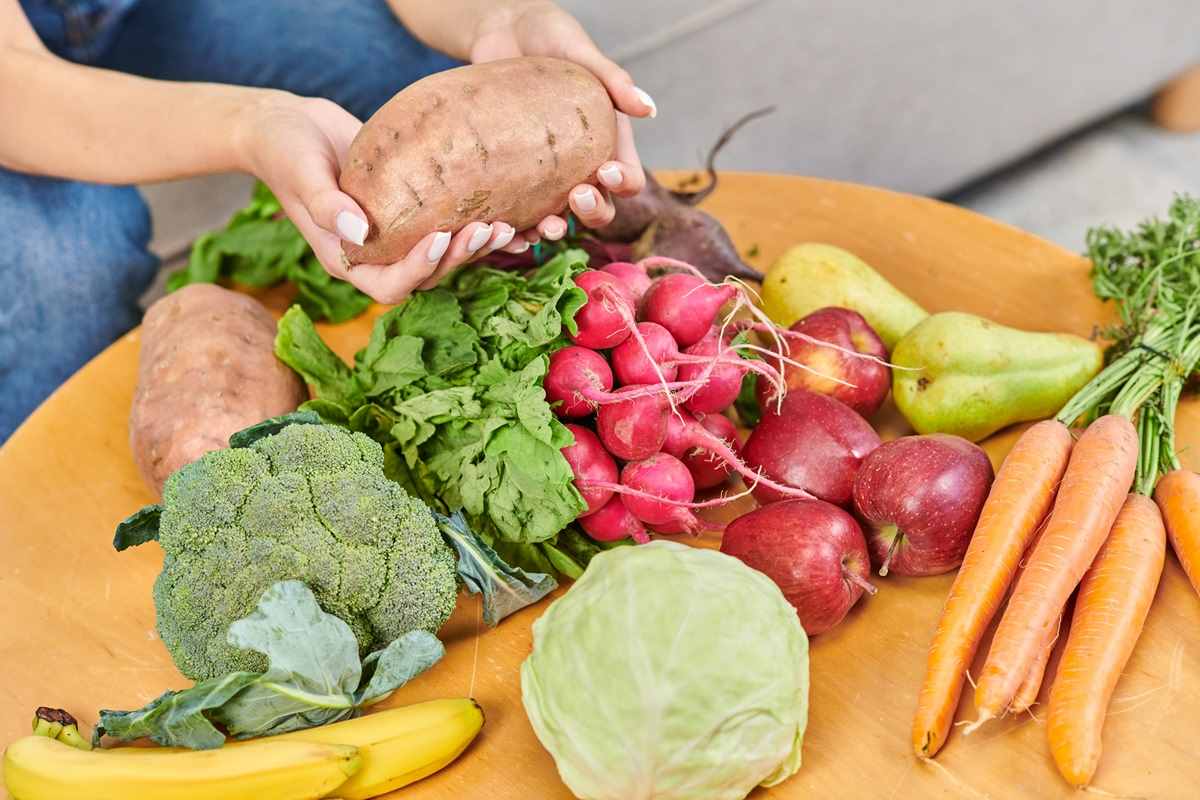
One of the simplest ways to eat sustainably is to focus on local and seasonal foods. Eating locally reduces the carbon footprint associated with transporting food over long distances. Plus, seasonal foods are often fresher and require fewer resources to grow. Imagine biting into a juicy, sun-ripened tomato picked just days ago from a nearby farm—sounds much better than one that traveled halfway around the world, right?
Local farmers’ markets are fantastic places to find seasonal produce. You get to support local agriculture, enjoy fresher food, and often discover new and exciting varieties of fruits and veggies. So next time you’re shopping, think local and seasonal. Your taste buds—and the planet—will thank you.
Embracing Plant-Based Diets
Now, I’m not suggesting everyone needs to go vegan overnight (unless you want to, in which case, go for it!). But reducing our meat consumption can make a massive difference. Livestock farming is a significant contributor to greenhouse gas emissions, not to mention it uses up a ton of water and land.
Incorporating more plant-based meals into your diet is a win-win. Plants generally require fewer resources to produce and emit fewer greenhouse gases. Plus, with the rise of delicious plant-based alternatives, it’s easier than ever to find satisfying meat-free meals. Have you tried a veggie burger lately? They’re surprisingly tasty and getting better all the time.

Cutting Down on Food Waste
Here’s a shocking fact: about one-third of all food produced globally is wasted. That’s a staggering amount of food ending up in landfills, emitting methane, a potent greenhouse gas. Reducing food waste is one of the most impactful things we can do for the environment.
So, how can we waste less? Planning meals, using leftovers creatively, and understanding expiration dates are great places to start. For instance, “best before” doesn’t mean “throw away after.” Many foods are perfectly fine to eat past their prime as long as they’re stored correctly.
Another fun idea is composting. It turns your food scraps into nutrient-rich soil, perfect for gardening. Even if you don’t have a garden, many communities have composting programs or drop-off sites. It’s a fantastic way to give back to the Earth.
Smart Farming Techniques
Technology and innovation are playing a huge role in creating more sustainable farming practices. Let’s talk about a few of the cool methods farmers are using.
Precision Agriculture
This tech-savvy approach uses GPS, sensors, and data analytics to manage fields with pinpoint accuracy. Farmers can optimize water use, apply fertilizers more efficiently, and monitor crop health in real time. It’s like farming with a superpower!
Vertical Farming
Have you ever seen a skyscraper full of lettuce? Vertical farming involves growing crops in stacked layers, often indoors. This method uses less land and water compared to traditional farming. Plus, it can be done in urban areas, bringing fresh produce closer to city dwellers.
Regenerative Agriculture
This approach focuses on restoring soil health through practices like crop rotation, cover cropping, and reduced tillage. Healthy soil captures more carbon and supports more resilient crops. It’s a way of farming that works with nature, not against it.
The Role of Technology
Technology isn’t just helping farmers—it’s transforming how we think about food. For example, lab-grown meat (also known as cultured meat) is made by growing animal cells in a lab. It promises the taste and texture of real meat without the environmental impact. Although it’s still in its early days, lab-grown meat could revolutionize our food system.
Then there are apps that help reduce food waste by connecting consumers with restaurants and stores offering unsold food at a discount. Apps like Too Good To Go and Olio are making it easier to save money and the planet, one meal at a time.
Supporting Sustainable Brands
As consumers, we have the power to drive change with our wallets. Many companies are now committed to sustainable practices, from reducing plastic packaging to sourcing ingredients responsibly. Look for certifications like Fair Trade, Rainforest Alliance, or Organic, which indicate a product meets certain environmental and social standards.
And let’s not forget about sustainable seafood. Overfishing is a major issue, but choosing seafood certified by organizations like the Marine Stewardship Council (MSC) helps support fisheries that are managed sustainably.

Getting Involved
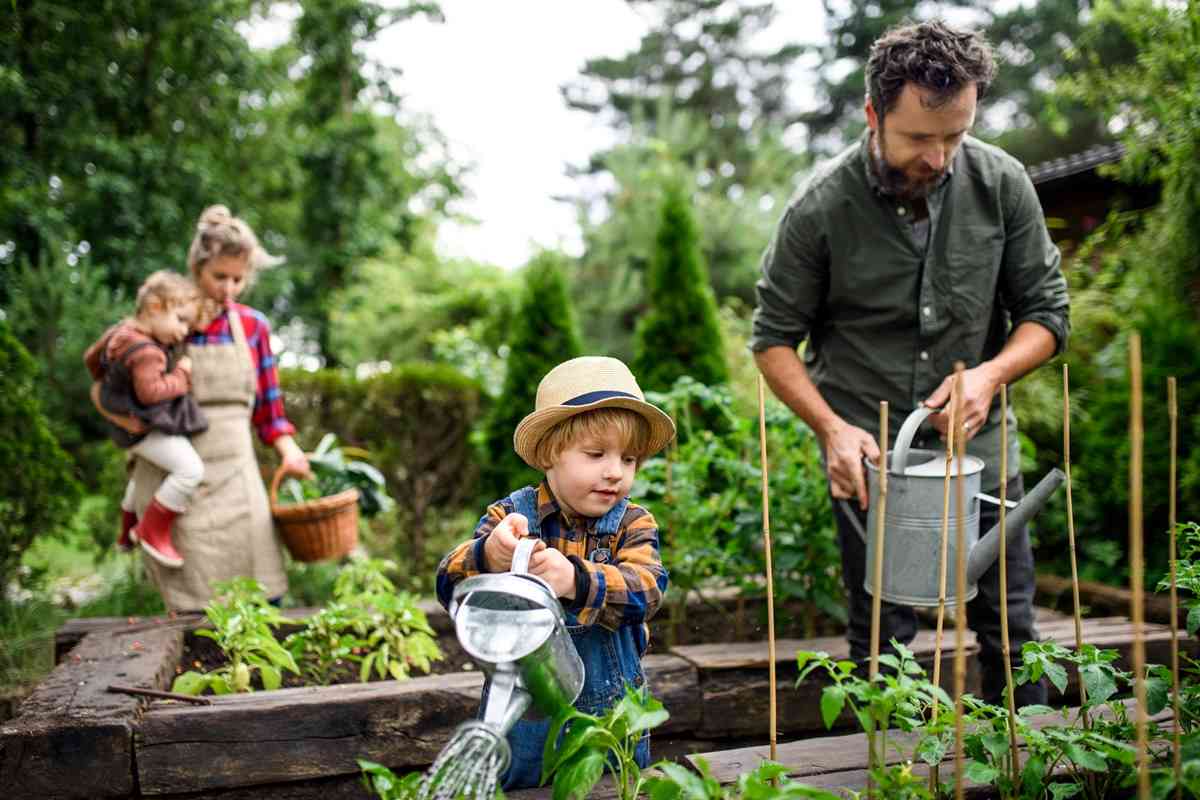
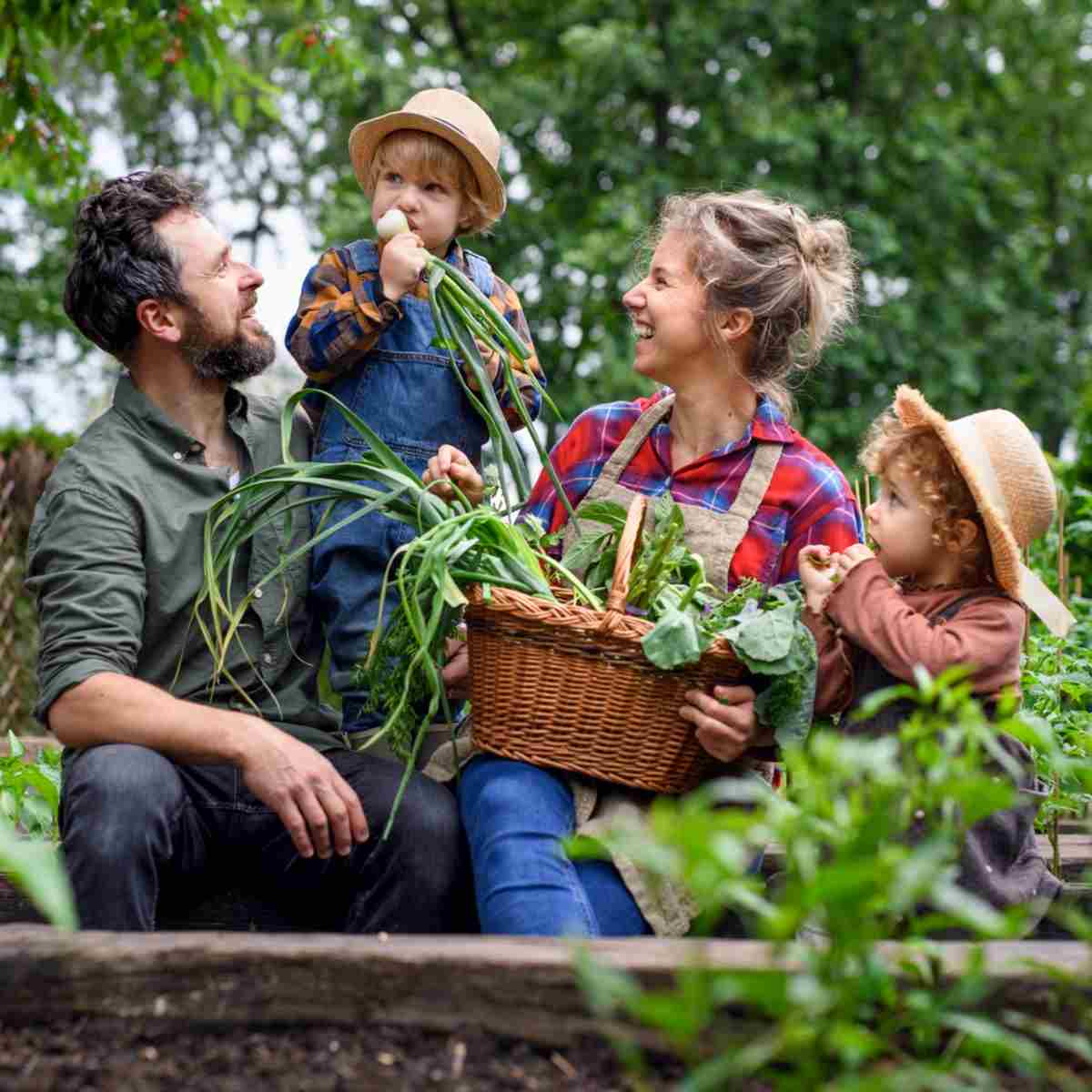
Feeling inspired? There are plenty of ways to get involved and promote sustainable food practices. Joining a community garden, participating in a local CSA (Community Supported Agriculture), or even starting your own small vegetable patch can be incredibly rewarding.
Education is another powerful tool. Sharing what you’ve learned about sustainable eating with friends and family can create a ripple effect, spreading awareness and encouraging more people to make eco-friendly choices.
Final Words
Sustainable food practices aren’t just about saving the planet—they’re about creating a healthier, tastier, and more equitable food system for everyone. By making mindful choices and supporting sustainable innovations, we can ensure that future generations will also be able to enjoy the bounty of our planet.
Here’s to a future filled with fresh, local produce, innovative farming, and a whole lot less waste. Let’s all do our part to savor it.
Pin for Later
Need Support or have Questions? Join our Free Facebook Group.
Follow us on Pinterest, Facebook, Instagram, TikTok, Flipboard, or YouTube.
For weekly New Articles and a FREE E-Book get into our NEWSLETTER.